
3D/4D Ultrasound Probe Repair
Specialist repair of mechanical volume probes: drive motor, gearing, oil fill and electronics.
Why 3D/4D Probes Need Specialized Care
A 3D/4D probe and a standard probe look like the same device in a different housing. They fail in opposite ways.
On a standard transducer, 63 % of our repairs involve the acoustic lens. On a 3D/4D volume probe, 74 % involve the mechanical drive: motor, gearing, oil fill. The lens: just 4 %.
That difference decides whether your probe gets fixed or written off. A workshop that treats a volume probe like a standard one checks the array, finds it intact and reports "no fault found", while the real problem is a tired motor or a drive chamber that has lost oil.
Volume probes make up about a sixth of our repair volume. And when you order the repair from us, a loaner is included.
What fails on a 3D/4D probe: our repair data
Share of 3D/4D repair orders by assembly, since October 2024:
| Assembly | Share of repairs |
|---|---|
| Drive mechanism (motor, gearing, oil fill) | 74 % |
| Electronics / array elements | 25 % |
| Diagnostic inspection | 15 % |
| Housing / seal | 8 % |
| Strain relief | 8 % |
| Full reconditioning | 5 % |
| Cable | 4 % |
| Acoustic lens | 4 % |
Shares add up to more than 100 % because many probes need more than one repair.
Compare that with a standard probe, where the ranking is almost exactly reversed.
3D/4D Repair Services
Complete mechanical and electronic restoration for all 3D/4D probe types
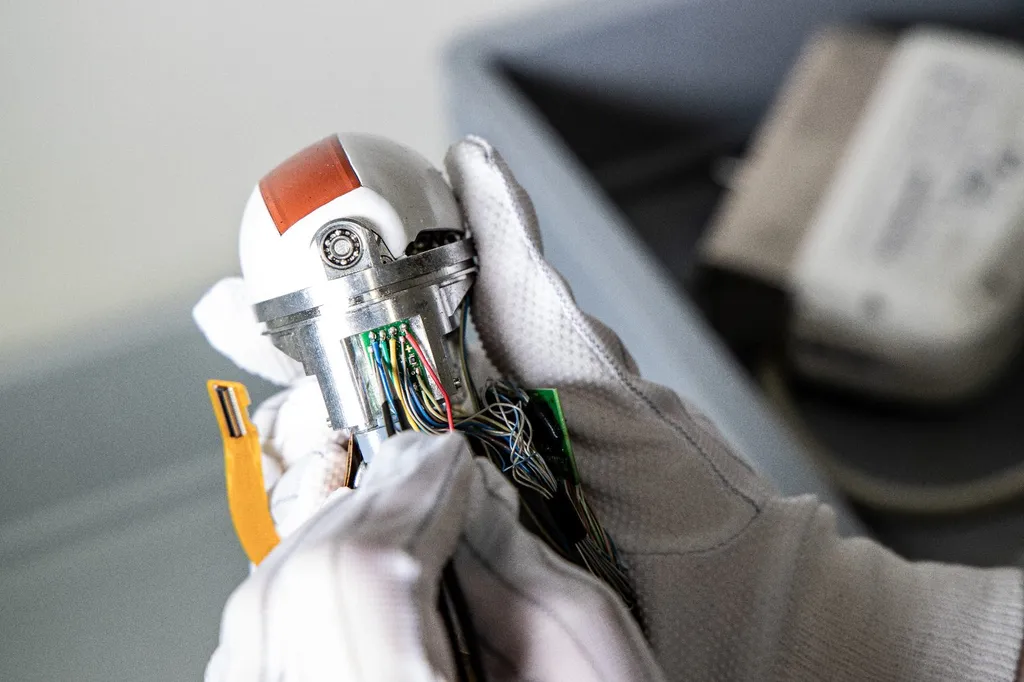
Motor and drive repair
RequestThree quarters of the work, and the reason volume probes need a dedicated bench.
Symptoms: jerky or stepped sweeps, distorted volumes, sweep angles that no longer match the setting, audible motor noise, or a probe that images in 2D but will not acquire a volume.
Cause: inside a mechanical volume probe, the array swings through an oil-filled chamber, driven by a motor through a gear train. Three things wear: the motor, the gearing and bearings, and the oil fill. Oil loss is the quiet one. It does not stop the probe. It makes the sweep less even, and the image degrades so slowly that nobody notices when it started.
Repair: we open the drive, assess motor, gears and bearings separately, replace what is worn, refill and reseal the chamber, and check the sweep across its full range before the probe leaves.
Limit: if the array itself has lost elements, the mechanics are not the problem, and repairing them will not restore the image. The inspection tells us which case you have before you pay for a repair.
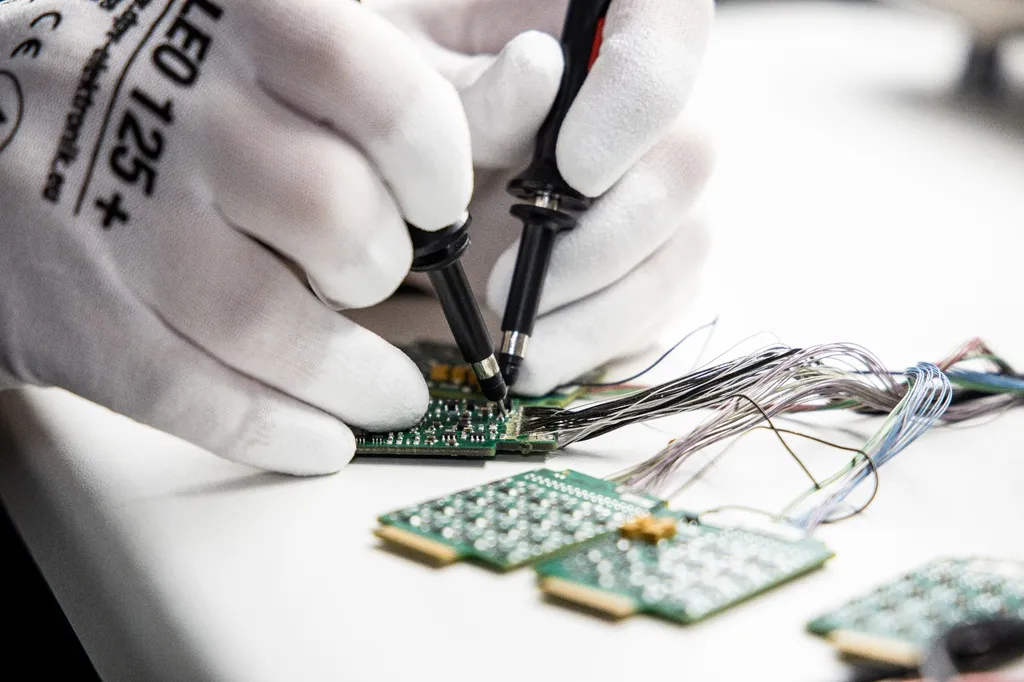
Electronics and array
RequestA quarter of our 3D/4D repairs, and the category most easily confused with a mechanical fault from the operator's side.
We test image quality, CW, PW and colour Doppler, electrical channels, error messages and controls: the same regime as for a standard probe, plus the behaviour of the drive, which is what separates a motor fault from an electronics fault.
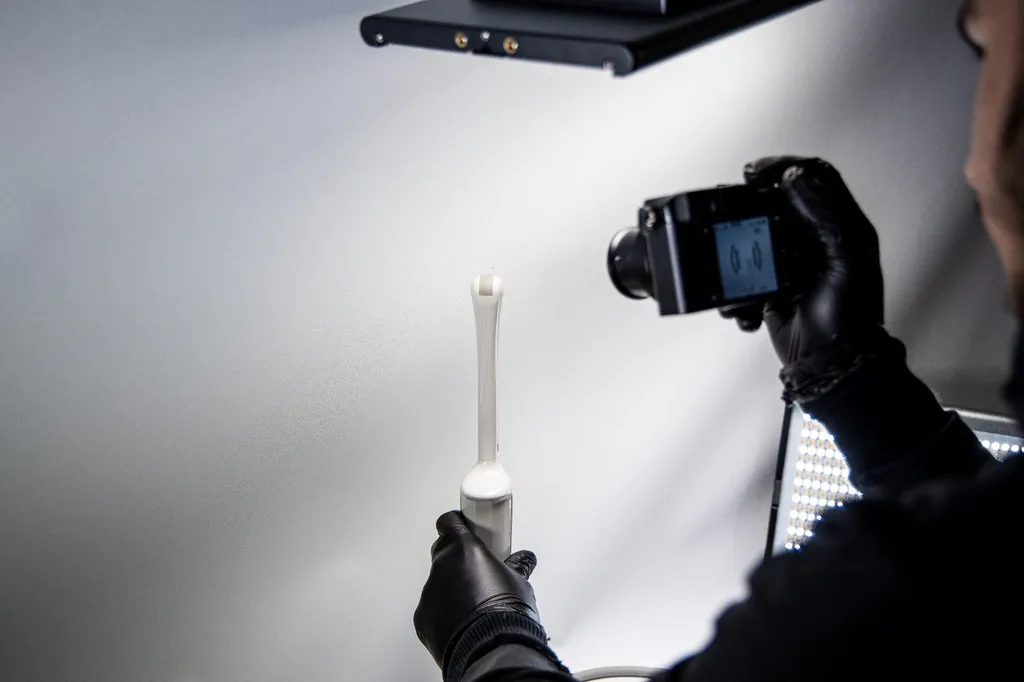
Why seals matter more on a volume probe
RequestHousing and seal repairs make up 8 %, but on a volume probe the consequences are more severe.
On a standard probe, a failed seal lets fluid reach electronics. On a volume probe, it lets fluid reach an oil-filled mechanical chamber, and contaminated oil damages the whole drive.
A seal repair is inexpensive. A drive destroyed by fluid ingress is not.
Voluson, Samsung, Philips and Canon volume probes
Volume probes reach us mostly from GE Voluson (RIC5-9A-RS, 4Vc-D and related), Samsung RS80A and RS85, Philips EPIQ and Canon Aplio.
Samsung in particular runs a high share of volume probes, and most of our Samsung work happens on this bench.
Our 3D/4D repair process
Our specialized process for mechanical probe restoration
Inspection
On a dedicated 3D/4D protocol, including EN 62353 electrical safety with the measured value recorded.
Report and quote
Findings with around 19 photos per inspection and a clear recommendation.
Repair
Only what you approved.
Outgoing inspection
An independent second protocol, including a sweep check across the full range. Both protocols are archived, locked against changes and yours to keep.
Frequently asked questions
Restore Your 3D/4D Probe
Get expert mechanical repair with precision calibration
Explore Other Probe Repair Services
Specialized expertise across every major probe technology.
Standard Probe Repair
Bridging the Gap Between Budget and Performance: High-end repair solutions for standard transducers that keep your hospital's workflow seamless and cost-effective.
Learn moreTEE Probe Repair
Protecting Patients and Performance Alike: Specialized TEE restoration that addresses every delicate detail, from insertion tube recoating to distal tip articulation.
Learn more